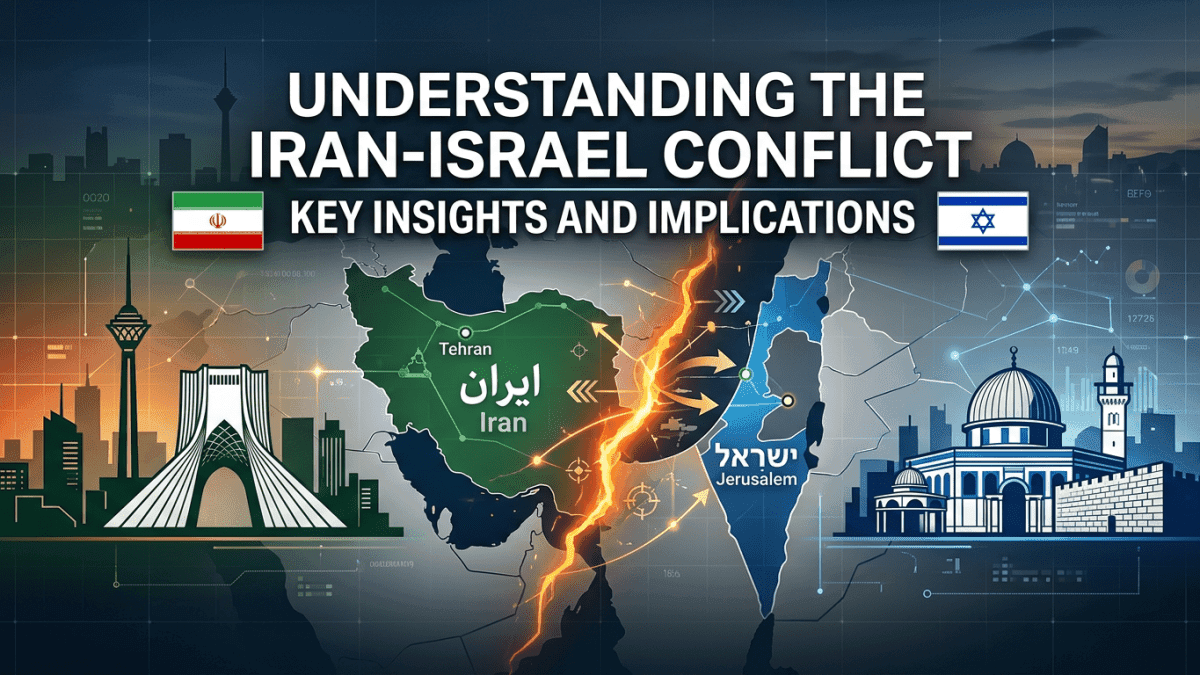
Understanding the Iran-Israel Conflict: Key Insights and Implications
Introduction
The geopolitical landscape of the Middle East has always been complex, but the Iran-Israel conflict stands out due to its enduring nature and significant global repercussions. This blog post aims to delve into the intricate dynamics of the Iran-Israel conflict, examining its historical roots, current developments, and potential future implications for the region and the world.
Historical Context
To understand the current tensions between Iran and Israel, it is essential to look at their historical relationship. The conflict can be traced back to the Islamic Revolution in Iran in 1979, which led to a radical shift in Iranian politics and a pronounced anti-Israel sentiment. Iran’s support for militant groups like Hezbollah and Hamas further escalated tensions, positioning it as a key adversary to Israel.
Key Events Leading to the Current Conflict
1979 Islamic Revolution: The overthrow of the Shah and establishment of the Islamic Republic marked a significant turning point in Iran's foreign policy.
Support for Militant Groups: Iran's backing of anti-Israel groups has been a consistent source of conflict, influencing regional power dynamics.
Nuclear Developments: Iran's nuclear program, perceived as a threat by Israel, has led to increased military tensions and preemptive measures by Israel.
Current Developments in the Iran-Israel Conflict
As of 2026, the conflict has escalated, with both nations engaging in military posturing and cyber warfare. Israel has carried out numerous airstrikes against Iranian positions in Syria, while Iran continues to develop its missile capabilities and leverage proxy groups across the region.
Military Engagement
Israel’s military strategy focuses on preventing Iranian entrenchment in Syria, which it views as a direct threat to its national security. The Israeli Defense Forces (IDF) have been active in conducting airstrikes to disrupt Iranian supply lines and military infrastructure.
Cyber Warfare
Another significant front in the conflict is cyber warfare. Both nations have engaged in cyber attacks against each other, targeting critical infrastructure. For instance, Israel has reportedly launched significant cyber operations against Iranian nuclear facilities.
International Responses
The international community has been largely divided regarding the Iran-Israel conflict. While the United States has traditionally supported Israel, recent diplomatic efforts have aimed to address Iran's nuclear ambitions through negotiations. The Abraham Accords, which normalized relations between Israel and several Arab nations, have added new layers to the geopolitical dynamics in the region.
The Role of the United States
The U.S. plays a crucial role in this conflict, providing military aid to Israel while attempting to mediate with Iran. The ongoing debates about sanctions and military support highlight the complex relationship the U.S. maintains in the region.
Potential for Future Conflict
With the current trajectory, the potential for a broader conflict remains high. Iran's continued support for militant groups and its nuclear ambitions could lead to a significant military confrontation, which would have catastrophic implications for the region and beyond.
Traveling to the Region
For readers interested in exploring the Middle East, there are various travel options available. Consider flying with Etihad Airways, which offers convenient flights to various destinations in the region, allowing for a deeper understanding of the cultural and historical context surrounding these conflicts.
Conclusion
The Iran-Israel conflict is a multifaceted issue that continues to evolve. Understanding its historical roots, current developments, and the broader implications for international relations is essential for anyone interested in global politics. As the situation develops, the eyes of the world remain on this pivotal region, where peace seems a distant prospect.
Related Articles
Explore more articles you might like